

Most rebrands fail before the design brief is written
The businesses that get the most from a rebrand tend to be the ones that spend the most time thinking before they start designing. The ones that struggle tend to be the ones that jump to the visual work before they've properly understood what they're trying to achieve and why.
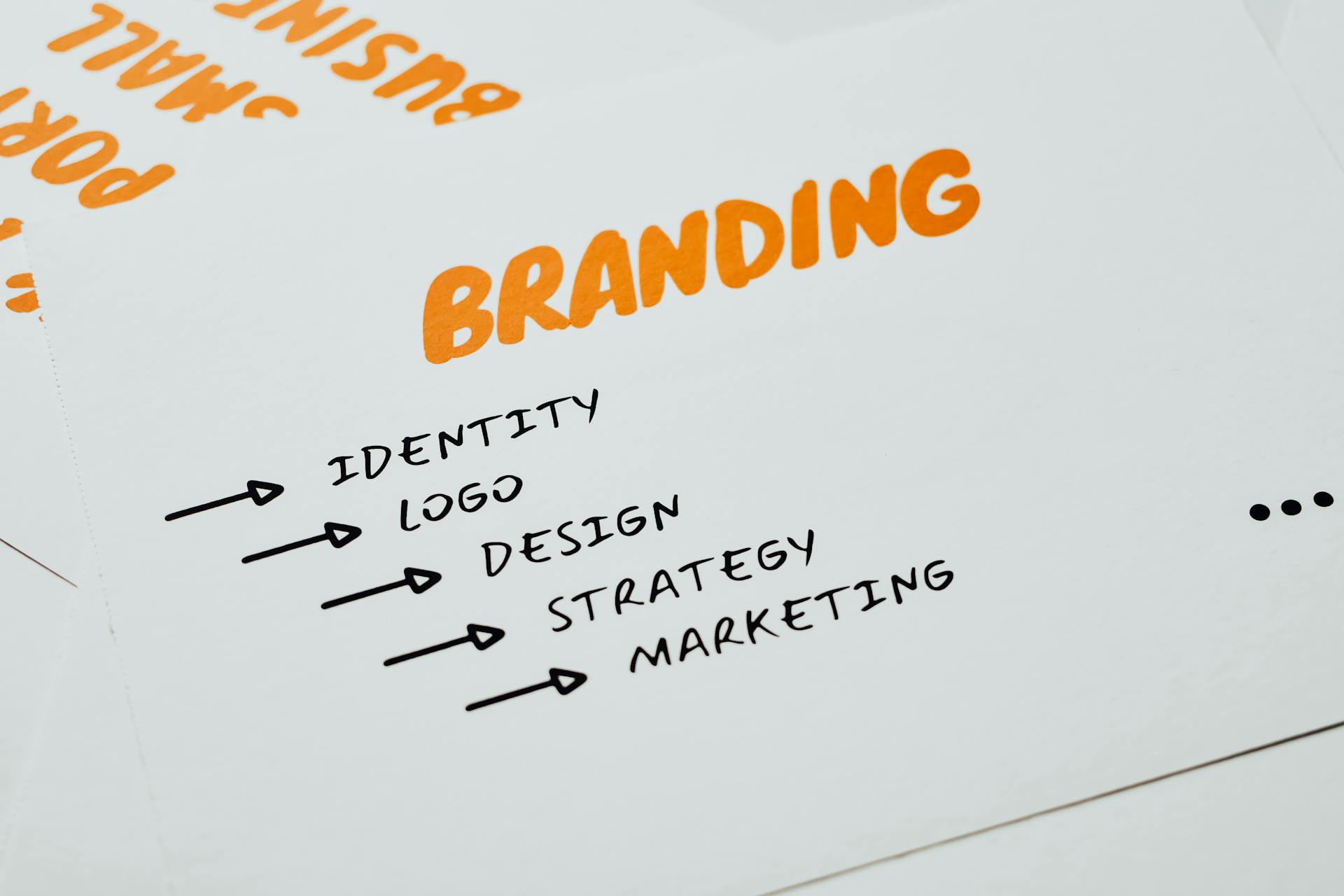
Brand identity is not just how a business looks. It's how a business is perceived across every touchpoint a customer encounters. The logo, the colour palette, the typography, the tone of voice, the imagery style. These are expressions of something deeper: who the business is, what it stands for, who it serves, and why it should be chosen over the alternatives.
Changing any part of that without first understanding what's actually driving the change is how businesses end up with a new logo that solves nothing because the underlying problem was never a logo.
Start with an honest answer to why
Before a single brief is written or a branding design agency is appointed, the most important question is why the rebrand is being considered.
Some answers to that question lead directly to a rebrand. The business has fundamentally changed direction and the existing brand no longer represents what it does or who it serves. A merger or acquisition requires a new unified identity. The brand was built quickly in the early days and has never properly reflected the quality of the business behind it. The company is entering a new market where the current positioning is a disadvantage.
Other answers suggest a different problem. The website isn't converting well. Marketing isn't generating the results it should. Sales feel harder than they used to. These are performance problems, not necessarily brand problems. A rebrand might be part of the solution, but it almost certainly isn't the whole answer and sometimes isn't the answer at all.
Working out which category you're in before committing to a rebrand is worth the time. The best branding work tends to happen when the brief is built on clarity about what the rebrand is actually for.
What a rebrand is and what it isn't
A rebrand is a strategic repositioning of how a business presents itself to the world. It can range in scope from a brand refresh, where the existing identity is evolved and modernised without losing brand equity, to a full rebrand, where the positioning, name, visual identity, and brand messaging are all revisited from the ground up.
What a rebrand isn't is a silver bullet for business performance problems that sit elsewhere. A new logo won't fix a broken sales process. A new colour palette won't repair a damaged reputation. New brand design won't compensate for a product or service that isn't meeting customer expectations.
The most effective rebrands are the ones where the brand work is accompanied by the strategic and operational changes that give the new identity something real to express.
The role of brand strategy in a rebrand
Brand strategy is the thinking that precedes and informs all of the design work. It covers positioning, which is how the business is differentiated from competitors in the minds of its target customers. It covers audience definition, which is a specific and honest description of who the brand is built for. It covers brand values, which are the principles that shape how the business behaves and how it communicates.
Without this foundation, design decisions are aesthetic choices rather than strategic ones. A brand designer working without a strategy is making judgments about colour and typography without a clear brief for what those choices need to communicate.
The best branding services include strategy as an integral part of the process rather than an optional add-on. The visual identity that comes out of a properly informed strategy brief is more coherent, more differentiated, and more durable than one that emerged from a purely aesthetic process.
Protecting brand equity during a rebrand
Brand equity is the value accumulated in how a business is recognised and perceived by its existing customers and audience. It takes time to build and can be damaged quickly.
A full rebrand that replaces everything, name, logo, colours, visual style, messaging, all at once, carries a higher risk of disrupting the recognition and trust that existing customers have developed. That disruption might be worth it if the strategic case for change is strong enough. But it should be a deliberate decision, not a consequence of being overly enthusiastic about starting from scratch.
A brand refresh approach, where the core identity is retained and evolved rather than replaced, is often the better answer for businesses with established equity that they don't want to risk. It allows the brand to feel current and considered without abandoning what already resonates with the audience.
The question to ask is how much of the existing brand is working and worth keeping. If the answer is most of it, the brief should reflect that.
What to consider before changing your brand
Competitive landscape. How are the businesses you're competing with positioned? Where are the gaps? A rebrand is an opportunity to claim a position in your market that isn't already occupied. Understanding what the competitive landscape looks like before briefing a brand designer shapes the strategic intent of the work.
Customer perception. What do your current customers think of the brand? What do prospective customers see when they first encounter it? This is worth researching honestly, through customer conversations, surveys, or a brand perception audit, rather than assuming you already know the answer. The gap between how a business sees its own brand and how its audience perceives it is often significant.
Internal buy-in. A rebrand that leadership is committed to but the wider team doesn't understand or believe in is difficult to execute consistently. The people who deliver the brand experience every day, in sales conversations, customer service, proposals, and social content, need to understand the new direction and why it matters. Internal communication around a rebrand is as important as the external launch.
Practical implications. Every piece of branded material will need to be updated. Website, social channels, email templates, proposals, signage, packaging, business cards. The cost and timeline of implementing the new brand consistently across all of these should be factored into the decision before the project starts, not discovered at the end of it.
SEO implications. If the rebrand involves a name change or a domain change, the SEO implications need to be planned carefully. Organic rankings built up over years can be disrupted by a poorly managed migration. This isn't a reason to avoid changing the name, but it is a reason to make sure the technical side of the rebrand is handled with the same care as the creative side.
What's included in a full brand identity rebrand
When working with a branding design service or brand designer on a full rebrand, the scope typically covers brand strategy and positioning, a new or evolved logo and identity system, colour palette, typography, photography and visual direction guidelines, tone of voice and messaging framework, and a brand guidelines document that captures all of these in a format the business can use internally and share with partners.
The brand guidelines are what make the investment durable. Without them, a new brand identity begins to fragment the moment different people start applying it independently. With them, every application of the brand, from a social post to a pitch deck to a billboard, can be consistent with the standard the rebrand established.
When to invest in branding design services
The right time is rarely when things are going badly. A business under commercial pressure looking for a quick fix will almost always be disappointed by what a rebrand delivers, because a rebrand is not a quick fix.
The right time is when there is clarity about where the business is going, confidence in the product or service being delivered, and a genuine strategic case for how a new or evolved identity will support the next stage of growth. When those conditions are in place, the investment in brand identity design tends to return itself many times over through improved perception, stronger positioning, and a more coherent and compelling experience for every customer who encounters the brand.
At CreativePixels we work on rebrands as strategic projects as much as creative ones. If you're considering a rebrand and want a clear picture of what it should involve and whether the timing is right, we're happy to have that conversation.
Published by CreativePixels — a Manchester-based digital agency specialising in design, build, and growth for ambitious UK businesses.