

Two terms that get used constantly and explained rarely
Ask five different agencies what UI/UX design means and you will get five different answers. For most business owners, the terms blur into a single vague concept that sounds important but is hard to pin down.
The distinction matters because UI and UX solve different problems. Confusing them leads to briefs that miss the point and projects that deliver the wrong outcome.
What UX design actually involves
UX stands for user experience. It covers every aspect of how a person interacts with your website from the moment they arrive to the moment they leave or convert. It is fundamentally about behaviour, not appearance.
Good UX design asks questions like: where do visitors go first? Where do they get confused or drop off? What is the shortest path from arrival to enquiry without losing the visitor's confidence along the way?
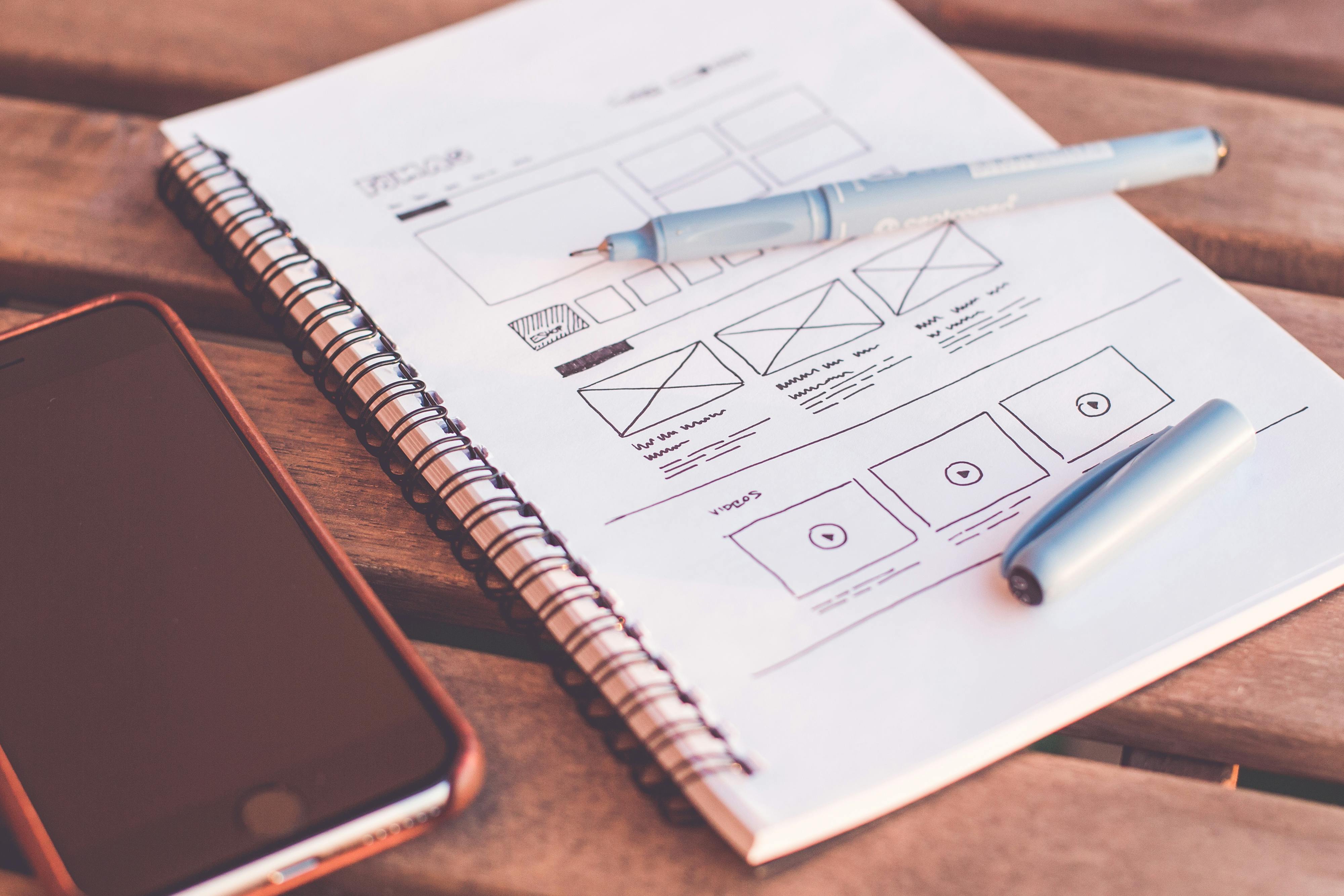
The outputs of UX design are things like site architecture, navigation structure, user flow diagrams, and wireframes. None of these are visual. They are structural decisions that determine whether the site works before anyone has chosen a colour or a typeface.
Why UX is the foundation everything else sits on
A beautifully designed website built on poor UX will underperform. If the navigation is confusing, the page structure buries the most important information, or the journey from landing page to contact form requires too many steps, no amount of visual polish will compensate.
UX done properly means fewer visitors leaving in frustration, a higher proportion of the right visitors taking the action you want, and a site that gets measurably better over time as real usage data informs ongoing improvements.
What UI design actually involves
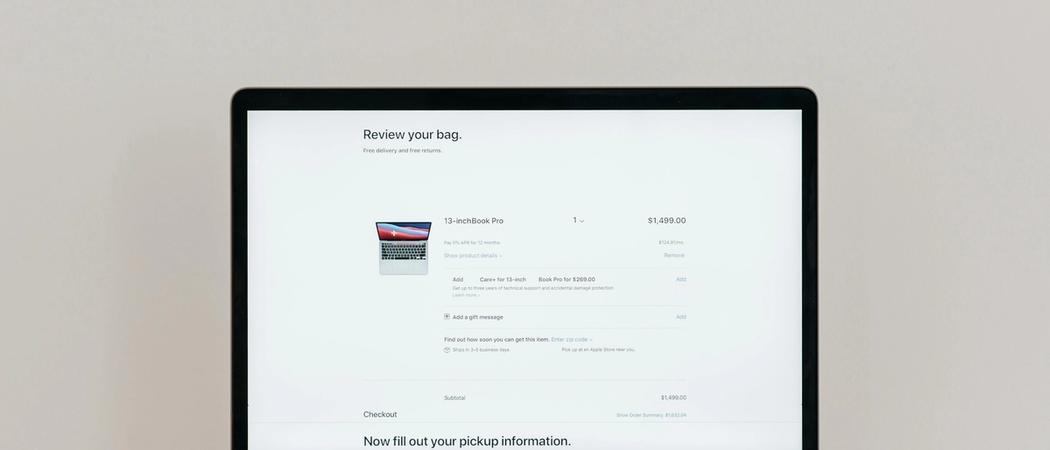
UI stands for user interface. It covers everything the visitor sees and interacts with visually — buttons, typography, colour, spacing, icons, imagery, and the overall visual language of the site.
Good UI design translates the structural decisions made during UX into a visual experience that feels coherent, trustworthy, and appropriate for the brand. It is where the personality of the business comes through, where the brand identity is expressed, and where the visual credibility that influences trust is established.
Why UI without UX is just decoration
A visually stunning interface built without UX thinking can still fail completely. If the button is beautiful but placed where no one looks for it, it will not be clicked. If the typography is elegant but the reading order is wrong, visitors will miss the most important message on the page.
UI and UX are most effective when they are developed in parallel by people who understand how each affects the other.
What this means for your website project
When briefing a web project, it is worth asking explicitly how UX and UI are handled and in what order. The process should be: understand the user, map the journey, define the structure, then apply the visual design — not the other way around.
If an agency jumps straight to visual design before the user journey and site architecture have been properly defined, the result will look impressive but may not perform. The most commercially effective websites are the ones where the structure has been thought through before anyone opens a design tool.